Every pedagogical decision at ESP School starts from the same question: how does this person learn? The answer comes from psychology, becomes an individual action plan — and is sustained by a feedback system built during a U.S. State Department exchange program.
ESP School's founder is a psychologist trained at PUC Minas — and she brought three psychological traditions into language teaching: Person-Centered, Humanistic-Existential and Cognitive. In practice, this means the method does not begin with content: it begins with a learning-style assessment that identifies how you absorb, process and retain information.
From there, everything adapts: the didactics, the resources, the pace and the goals. Adults don't learn poorly for lack of ability — they learn poorly when the method ignores who they are. The more aware learners are of their own process, the better they learn. That sentence isn't a slogan: it is the principle of metacognition running through every class.
A test detects your dominant learning style — the foundation for all the personalization that follows.
We define the methodology and the teaching-learning approach with progressive, measurable goals, guided by the CEFR and adjusted along the way.
Reading, writing, speaking and listening — always in real communication contexts, connected to your specific reality.
Unit tests (two of them oral), with CEFR-based attendance and performance reports — for you and, in corporate programs, for HR.
Understanding how each learner learns — before deciding what to teach.
Every decision connected to real goals — academic, professional, personal.
Ella AI extends practice beyond the classroom — supporting, never replacing, the pedagogy.
Different stories and goals call for a truly individual learning path.
In January 2018, Fernanda Aguilar was selected for a group of 20 educators from Binational Centers across Brazil for the Faculty Development Exchange Program, sponsored by the U.S. Embassy and World Chicago — two weeks immersed in schools and universities across Chicago and Iowa. At the end of the program, each group presented a capstone project. Fernanda led hers:
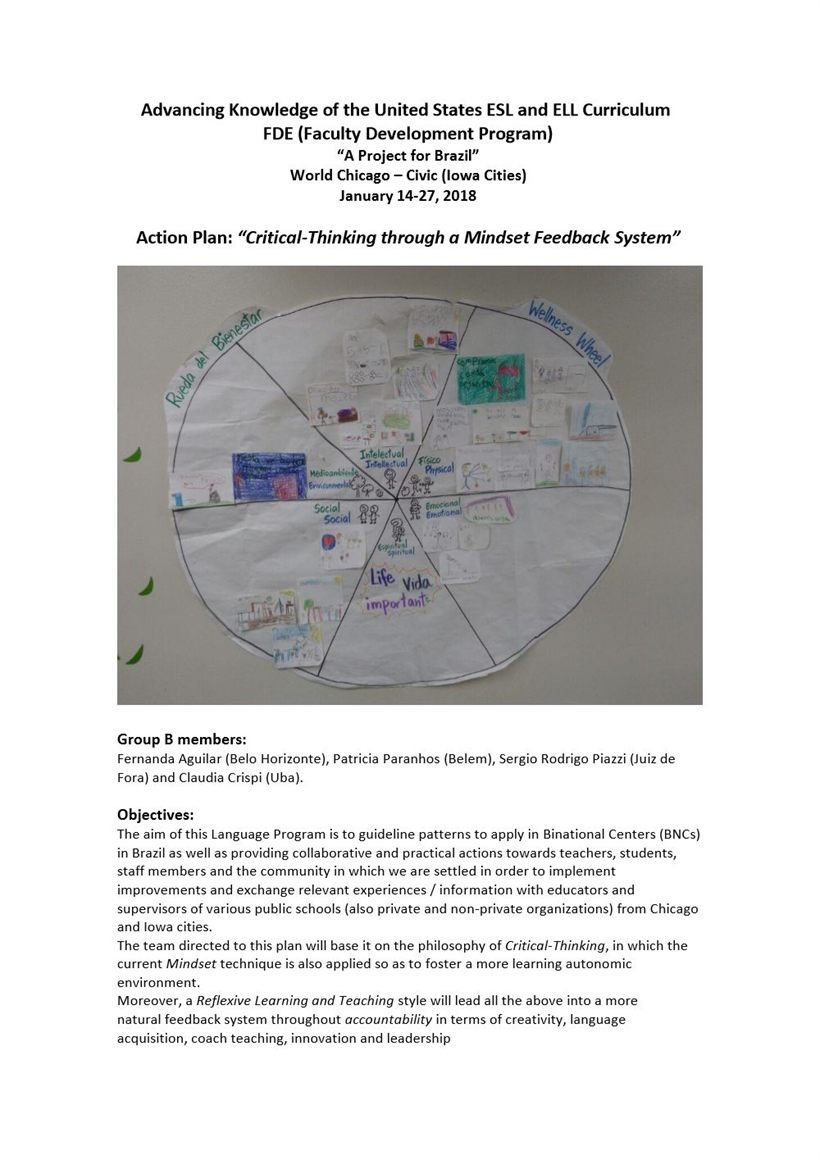
The thesis is simple to state and powerful to apply: feedback is not an event — it is a system. By defining what, how and when information is returned to the learner, the teacher turns correction into an instrument of growth rather than a verdict.
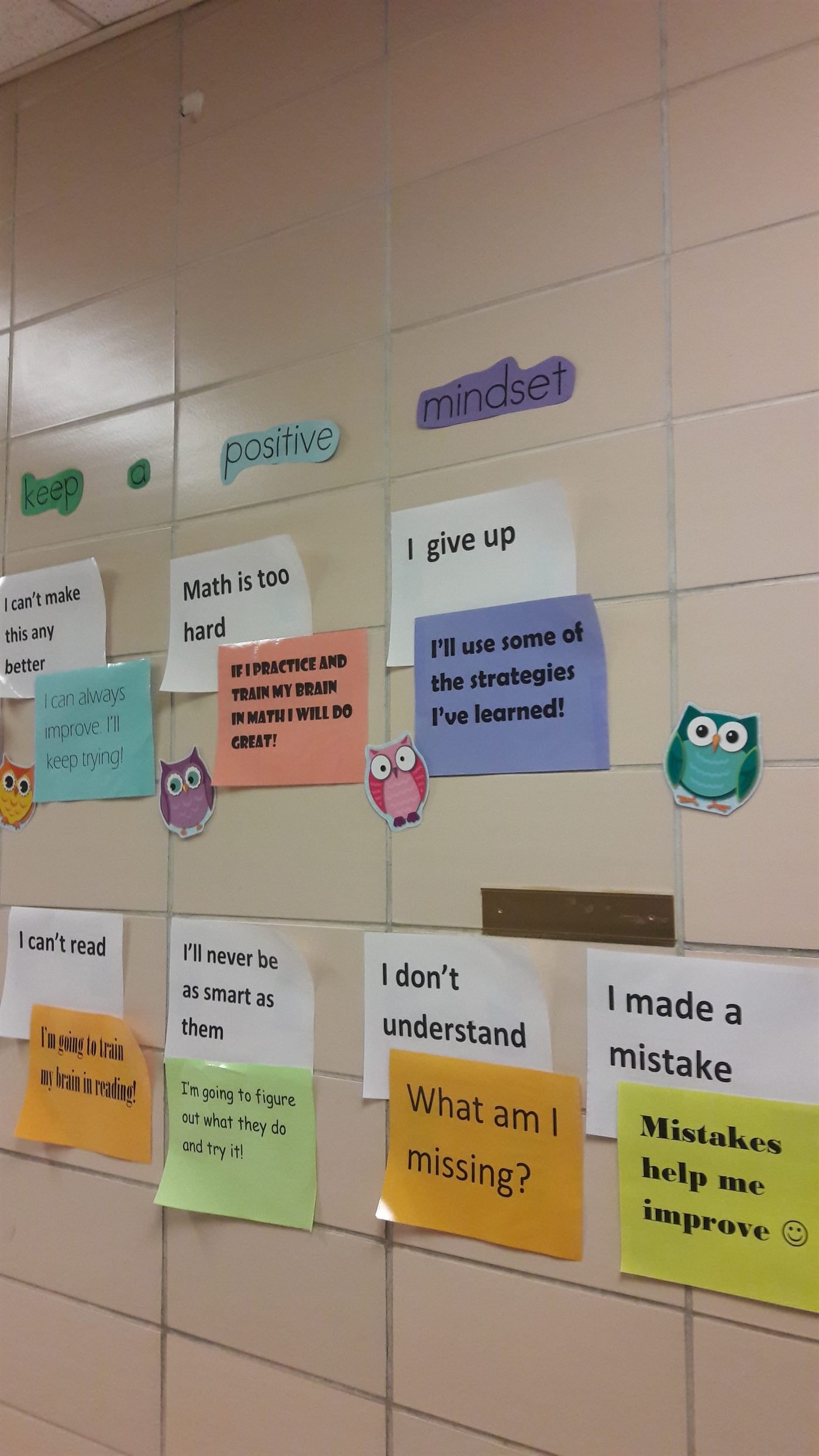
Inspired by what the group observed in American schools — walls where "I give up" becomes "I'll use the strategies I've learned" and "I made a mistake" becomes "mistakes help me improve" — the plan joins a growth Mindset to critical thinking: learners rewrite their own labels ("I'm not good at this") into routes of action ("what am I missing?").
The outcome is a more autonomous and accountable learning environment — proposed as a guideline for Binational Centers in Brazil and embedded, ever since, in the DNA of every ESP School action plan.
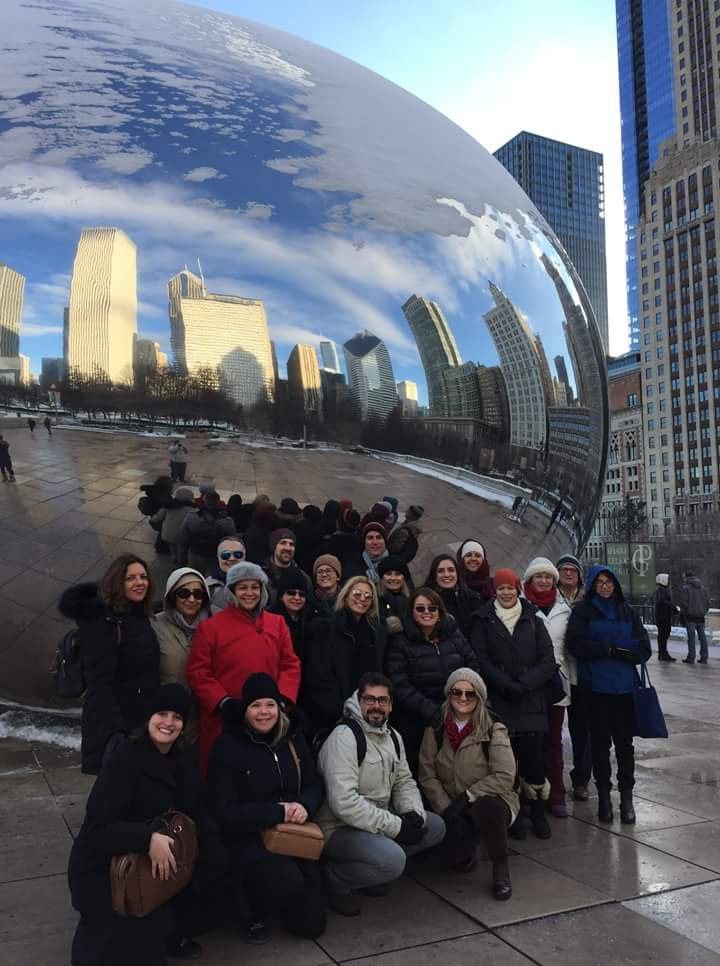
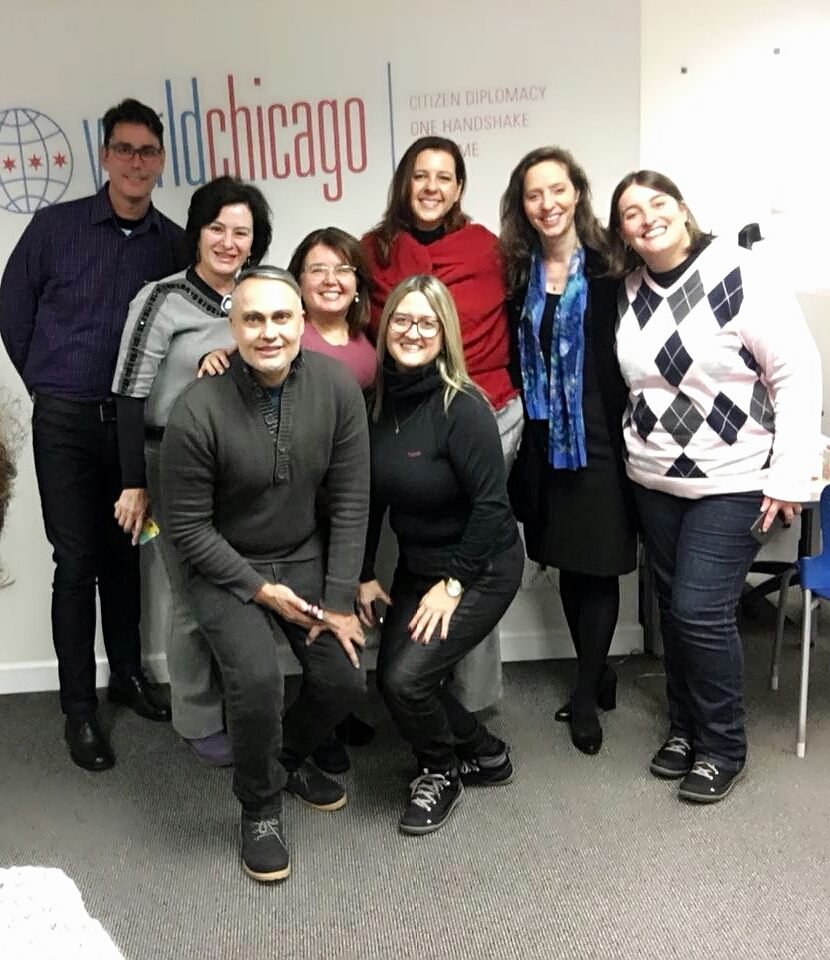
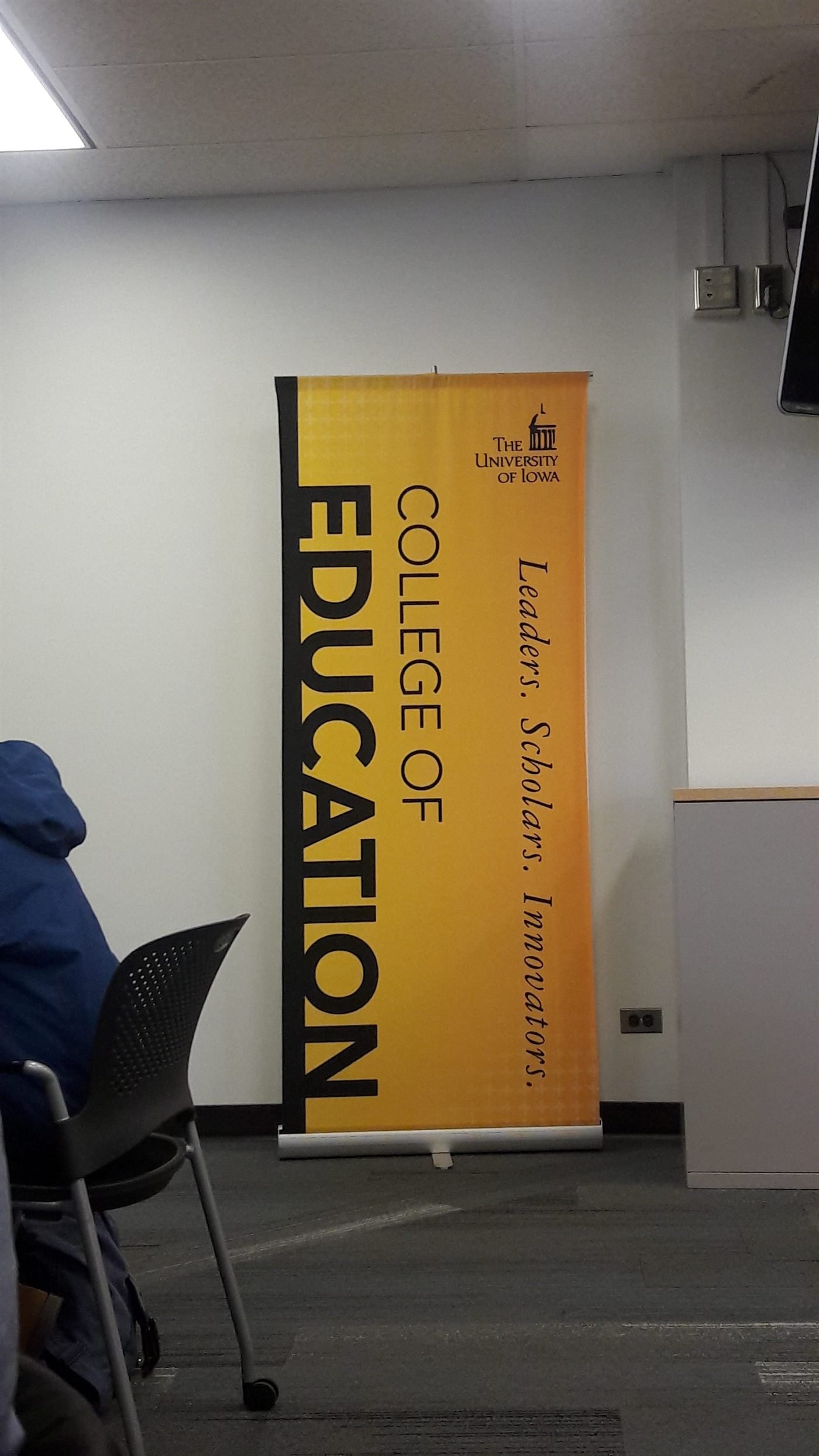
And what came next. Leading the group brought Fernanda to the attention of Professor Jeremy Slagoski, PhD — Assistant Dean and the direct coordinator who accompanied the Brazilian group throughout the days in Chicago and Iowa. His invitation turned the capstone project into a career step: Fernanda became a freelance consultant for the University of Missouri–Kansas City (UMKC), at the Applied Language Institute — a cycle completed in 2024.
The Mindset Feedback System didn't stay in 2018. It lives in the performance report that turns a grade into a route; in the way oral exams return an error as the next step, never as a sentence; and in Ella AI herself, designed to correct with kindness and strategy reinforcement — technology serving the same principle: learners aware of their own process learn more.
Book a no-obligation interview: we apply the diagnosis, understand your goal and design your personalized action plan.
Book my interview →